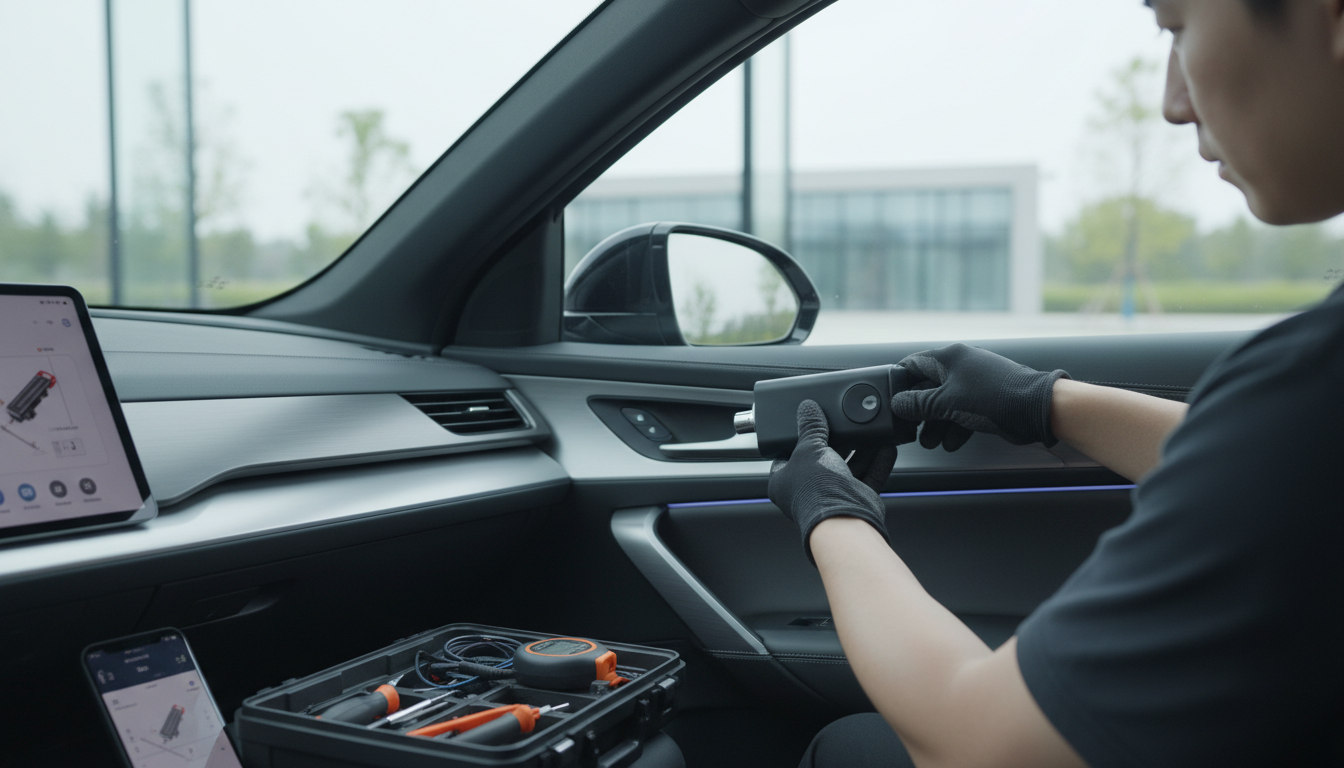
Smart locks fit many doors, but not literally every door. Most residential smart locks are designed around common U.S. door standards: a door thickness around 1 3/8″ to 1 3/4″, a standard 2 1/8″ bore hole, and a backset of 2 3/8″ or 2 3/4″. If your door matches those basics and has a standard single-cylinder deadbolt, chances are good a retrofit smart deadbolt or smart lock conversion will work.
The biggest barriers are unusual door construction and non-standard hardware. Extra-thick doors (common on some custom wood, security, or insulated doors) may require a “thick door kit” or a different model. Older doors sometimes have smaller or off-center bore holes, odd backsets, or misaligned strike plates, which can cause the bolt to bind.
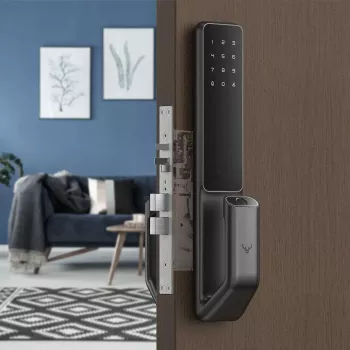
Another frequent issue is the existing lock type. Mortise locks (a rectangular lock body set into the door edge), multi-point locks (often on patio or European-style doors), and rim locks don’t always accept mainstream smart lock replacements without specialty products. Some doors also have decorative handlesets where the deadbolt and handle are integrated; many smart locks can still work, but you need to confirm clearance around the thumb latch and the interior escutcheon.
Start with quick measurements: door thickness, backset, and the diameter of the main bore hole. Then check the edge bore (the hole where the bolt sits) and confirm your current deadbolt is a standard single-cylinder style. Finally, look for interior clearance: some smart locks are deeper and can interfere with raised panels, glass trim, or tight door frames.
If you want a deeper walkthrough on compatibility, lock types, and keyless options, visit the full guide here: advanced smart door lock guide.
Many non-standard setups are still solvable. You may only need longer screws, an adjustable latch, a different strike plate, or a model specifically made for mortise or multi-point configurations. If the door is out of square or the bolt rubs, small alignment fixes can make a smart lock reliable and quiet.
Many models are designed to replace only the interior thumb turn, letting you keep your current keys and exterior cylinder. Compatibility depends on your deadbolt’s brand, tailpiece shape, and door measurements.









Leave a comment