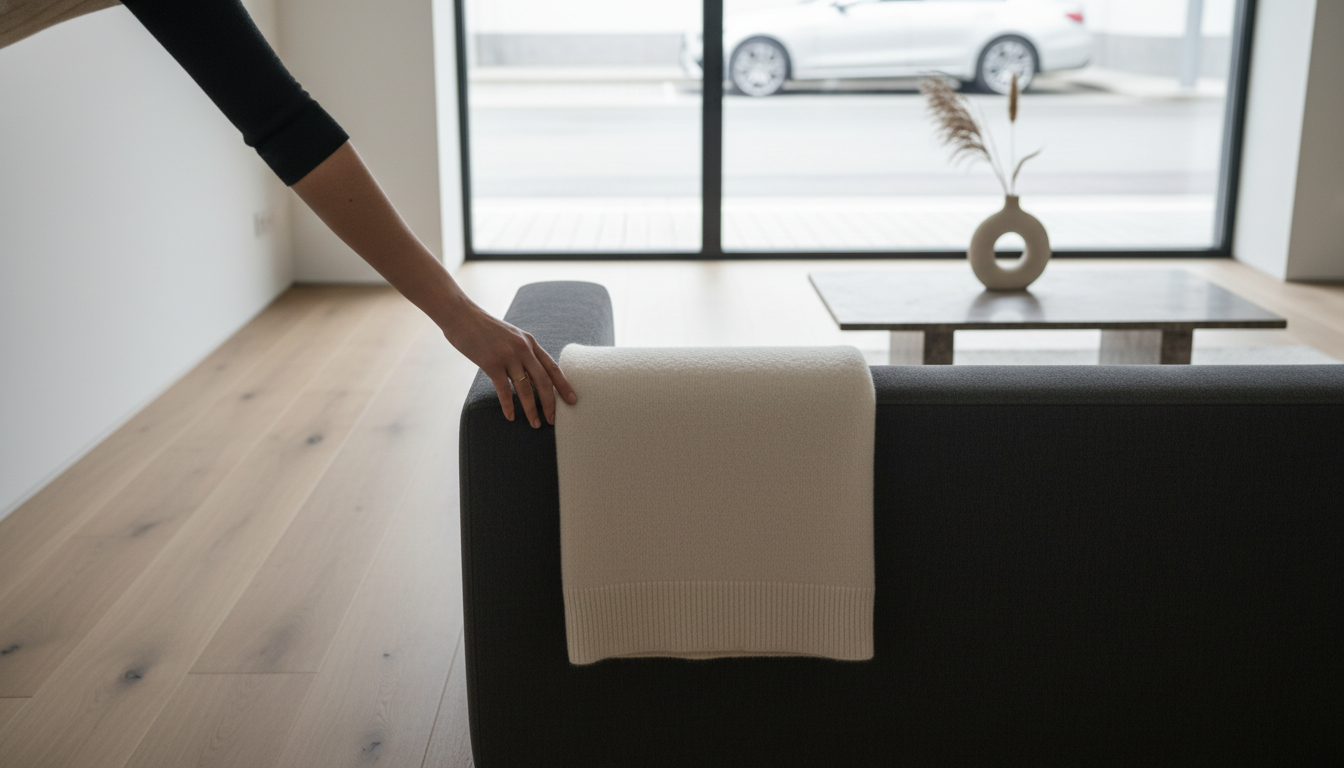
Quiet luxury interior design feels elevated because it relies on restraint, impeccable materials, and thoughtful detailing instead of bold statements. The look is minimalist, but never cold: it’s built on comfort, craftsmanship, and a calm sense of permanence.
1) A refined, tonal palette. Cream, warm white, taupe, stone, soft gray, and muted earth tones create a seamless backdrop that reads expensive without trying. Subtle contrast matters more than high contrast—think layered neutrals with just one or two deeper accents (ink, espresso, charcoal).
2) Natural materials with depth. Quiet luxury leans on materials that look better up close: linen, wool, cashmere, mohair, solid wood, marble, travertine, unlacquered brass, and quality leather. The goal is texture and patina, not shine. Matte and honed finishes tend to feel more modern and serene than glossy surfaces.
3) Fewer, better pieces. Minimalism becomes luxurious when each item earns its place. Choose sofas with tailored lines, substantial coffee tables, and dining chairs that feel as good as they look. Negative space is part of the design—rooms should breathe, with clear pathways and intentional furniture spacing.
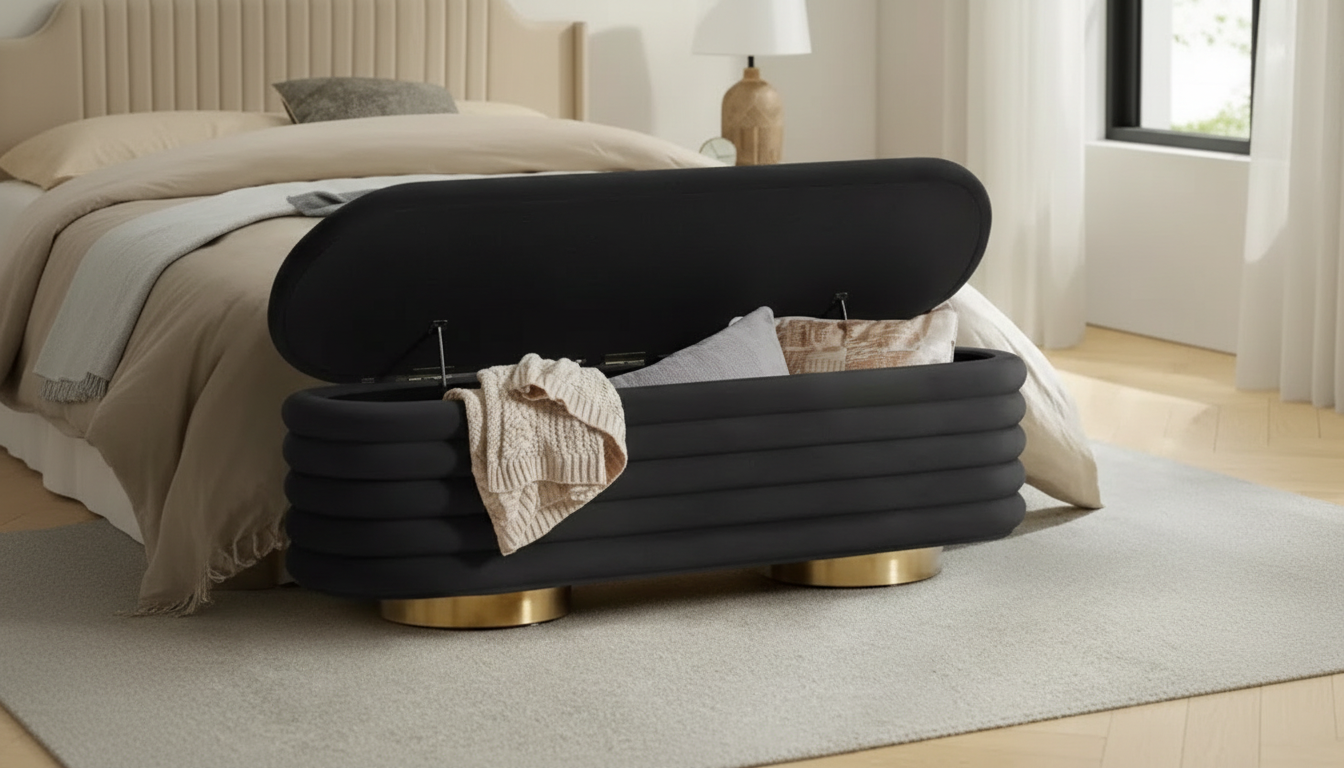
4) Custom-looking details. Elevated spaces often include small architectural upgrades: simple paneling, flush baseboards, concealed storage, or streamlined built-ins. Hardware and trim should be consistent and understated, creating a cohesive “quiet” rhythm across the room.
5) Layered lighting. Instead of one bright overhead fixture, combine soft ambient light (warm bulbs), targeted task lighting, and subtle accent lighting. Sculptural fixtures can be minimal and still feel special when the proportions are right.
6) Styling that feels edited. Decor is sparse but meaningful: a large-scale artwork, a ceramic vessel, a stack of books, or a single branch in a vase. Keep surfaces mostly clear and let texture do the talking through rugs, throws, and drapery.
For a deeper breakdown and practical examples, visit the full guide to quiet luxury interior design.
Use tactile textiles (wool rugs, linen curtains, textured throws) and warm lighting with consistent, soft color temperatures. Add one or two organic elements—wood tones, stone, or greenery—then keep surfaces edited so the materials remain the focus.










Leave a comment