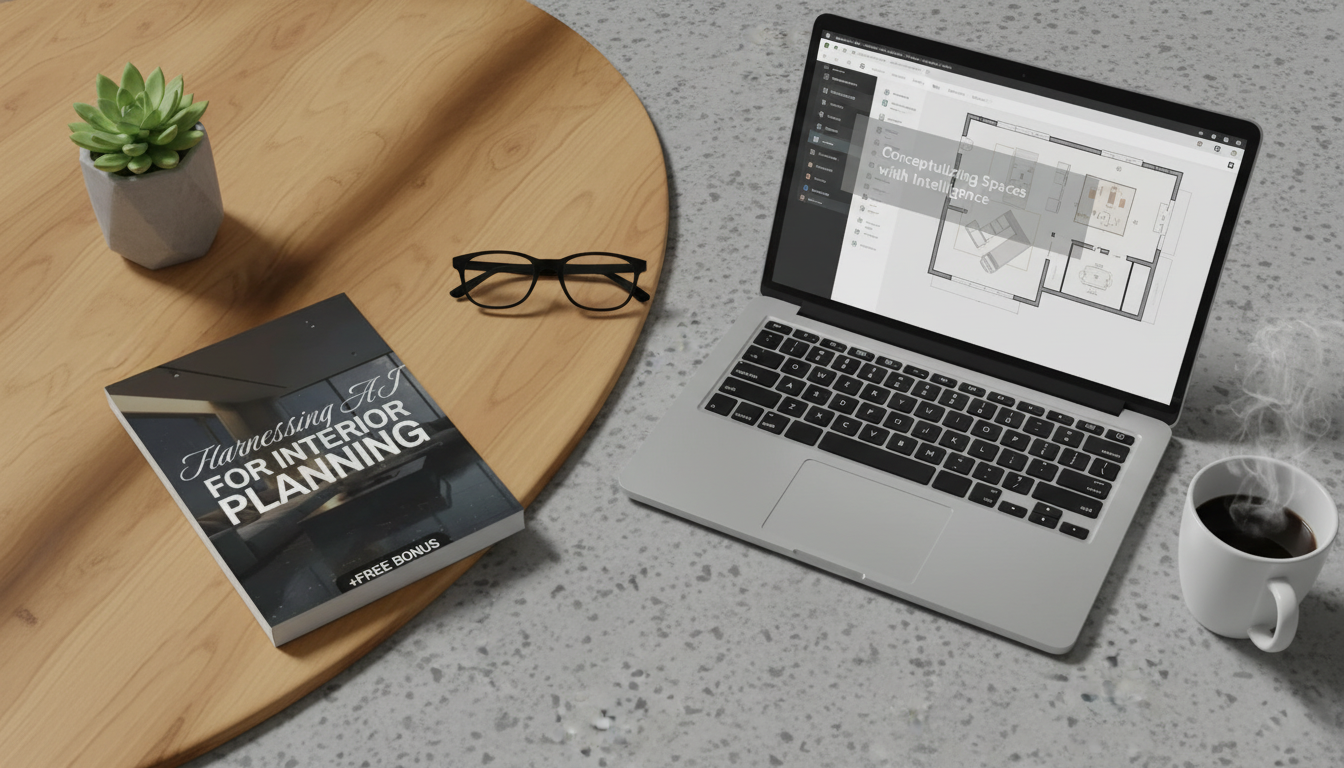
For small-apartment space planning, the best AI interior design apps are the ones that (1) understand tight footprints, (2) let you test multiple layouts fast, and (3) keep furniture to realistic dimensions. Look for apps that can build a room from a quick scan or measurements, suggest arrangements that preserve walking clearance, and let you swap in compact pieces like apartment sofas, wall-mounted desks, and storage beds.
Planner 5D is a strong all-around choice for experimenting with layouts. It’s easy to sketch a room, drag walls, and test furniture sizes, which is crucial when a few inches decide whether a drawer opens or a door clears. It also helps visualize how multi-use zones (sleep + work) can coexist without feeling crowded.
RoomSketcher is great when accurate 2D plans matter most. If the goal is to confirm that a sectional won’t block a path, or that a dining nook won’t collide with a kitchen run, its floor-plan workflow is especially helpful. It’s a solid option for people who want the “does it fit?” answer before styling.
Magicplan stands out for quick capture. When you need a reliable base plan of a small apartment, scanning and converting measurements into a workable layout saves time and reduces guesswork. It’s a practical first step before moving into more design-forward tools.
Homestyler is useful once you’ve chosen a workable plan and want to test finishes and furniture combinations. Small spaces benefit from visual checks like how reflective surfaces brighten a room or how a darker sofa changes perceived scale.
IKEA Kreativ is a smart pick if you’re planning around IKEA’s compact, modular lines. It’s handy for trying storage walls, room dividers, and small-footprint seating while keeping the product dimensions grounded in reality.
For a deeper breakdown and more options, see the full guide here: Which AI interior design apps work best for space planning in apartments.
Record wall lengths, ceiling height, window/door sizes, and the distance from corners to openings. Also note radiator placement, built-ins, and the swing direction of doors so layouts don’t create pinch points.












Leave a comment