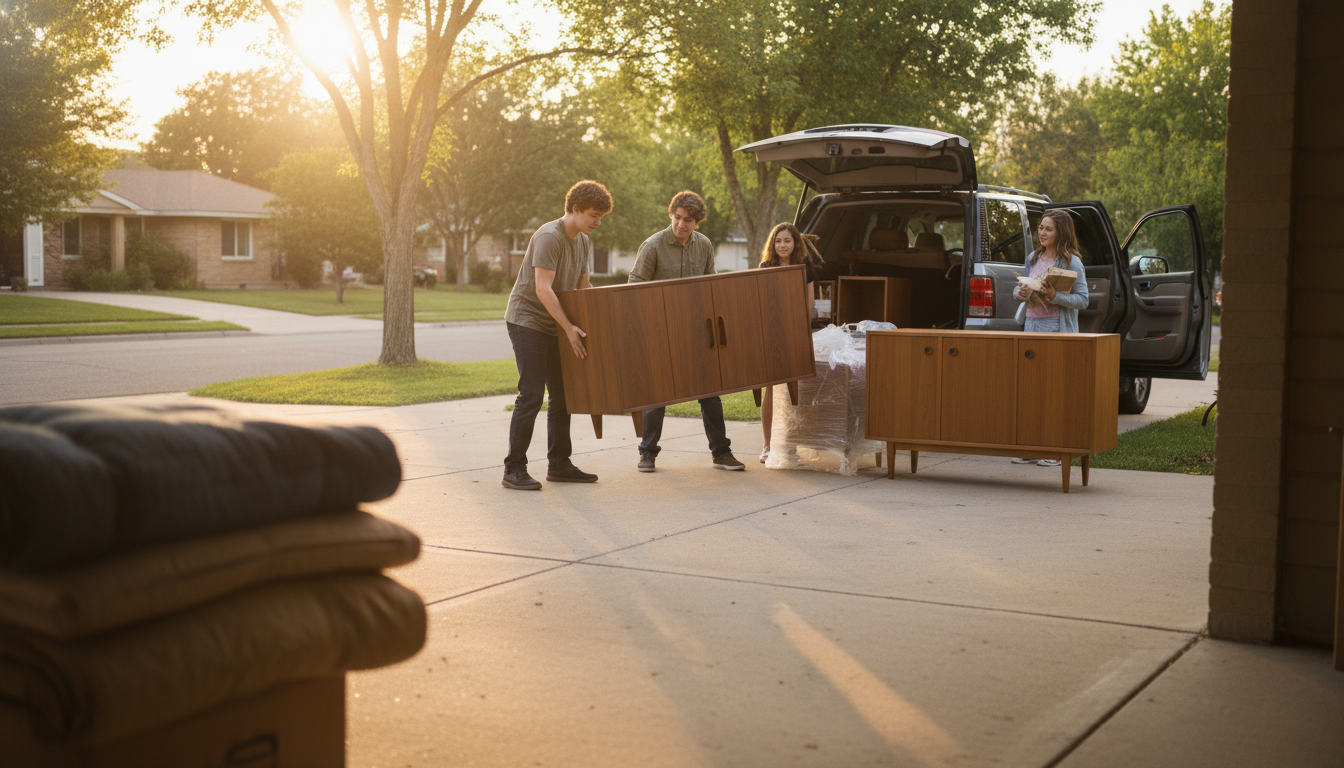
Mid-century modern cabinets are most often made from hardwoods that balance clean lines, durability, and a warm, natural grain. The “classic” look is frequently tied to walnut—especially American black walnut—because its rich brown tone and straight-to-wavy grain fit the era’s sleek silhouettes. Authentic vintage pieces and higher-end reproductions commonly feature walnut as solid wood, veneer, or a mix of both.
Teak is another hallmark wood associated with mid-century design, particularly in Danish and Scandinavian-inspired cabinetry. It’s naturally oily, resilient, and tends to age gracefully, making it a strong choice for cabinets that see daily use. Rosewood appears less often and is typically reserved for statement pieces, while oak (including white oak) shows up in designs leaning more toward airy, lighter finishes.
Walnut: A top pick for mid-century modern cabinets due to its deep color, refined grain, and strong structure. It’s used both as solid wood and as walnut veneer over a stable core.
Teak: Known for durability and a smooth, golden-brown to medium-brown tone. Teak veneer is common, and solid teak is often found in premium builds.
Oak: White oak, in particular, can deliver a cleaner, more contemporary mid-century feel, especially with matte finishes that highlight the grain without making it look rustic.
Maple and birch: Lighter woods that can be finished to look natural or toned. They’re often used in modern production cabinetry and can still feel mid-century when paired with minimalist hardware and tapered legs.
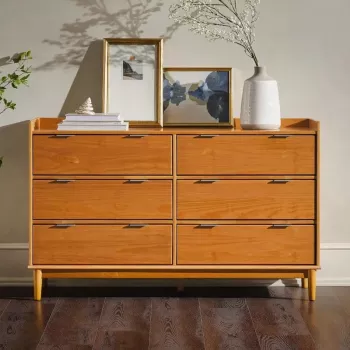
Many original mid-century cabinets used veneers—not as a shortcut, but as a smart way to achieve consistent grain patterns and stability on broad panels and doors. Solid wood is often used for frames, legs, and edges, while veneer appears on larger surfaces to reduce warping and cracking over time. If you’re comparing construction details and materials, this guide on modern solid wood furniture offers helpful context: https://interiorsgallery.shop/guide-modern-solid-wood-gallery-top-6-drawer-dresser/.
Walnut delivers a darker, classic mid-century tone, while teak leans warmer and often slightly more golden. Both are durable; the best choice usually comes down to the color and grain you want in the room.









Leave a comment