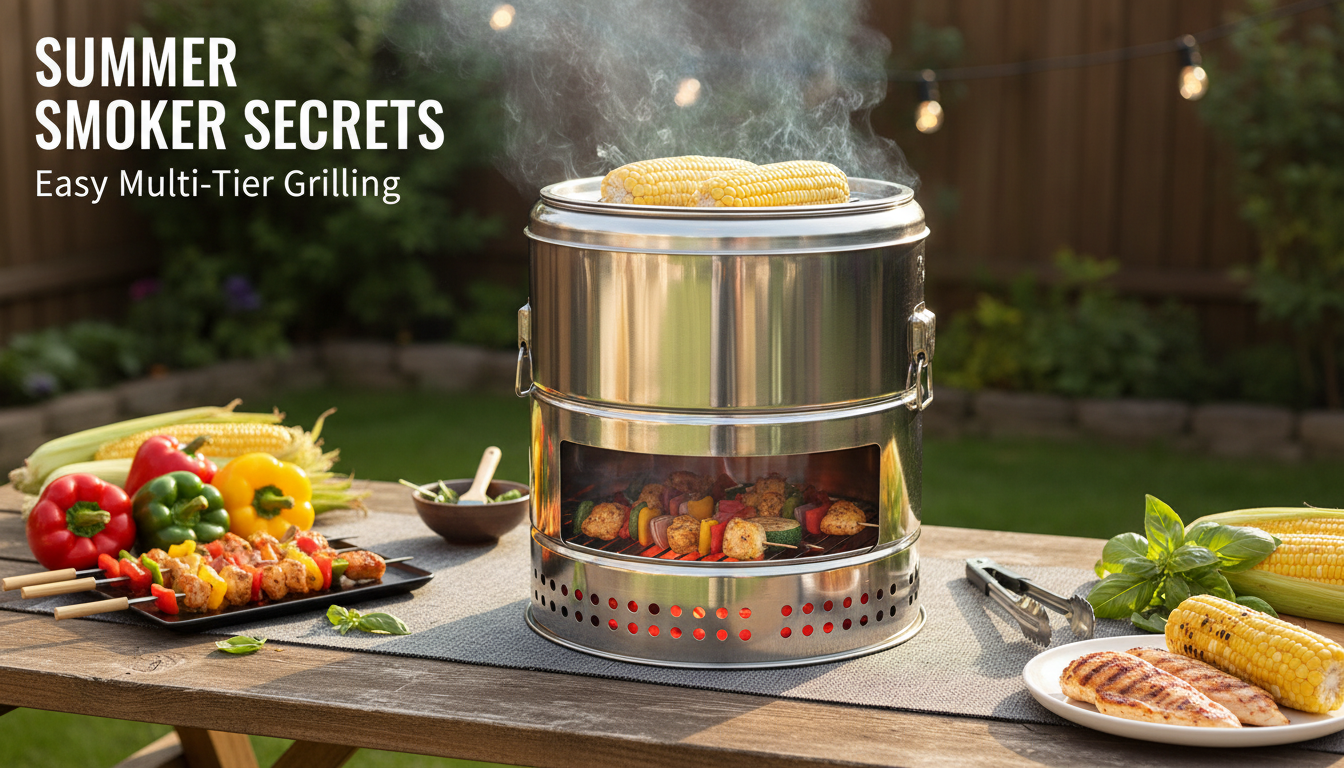
A luxury smokeless charcoal grill is built for people who crave authentic charcoal flavor but prefer a calmer flame profile and less irritating smoke—especially on patios, balconies, and other close-quarters outdoor spaces. With the right fuel and a smart approach to airflow, you can get that unmistakable charcoal sear while keeping the cookout more comfortable for everyone nearby.
“Smokeless” doesn’t mean charcoal stops producing smoke entirely. It means the grill is engineered to reduce the most unpleasant, visible smoke you typically get during startup and from smoldering drippings. Once charcoal is fully lit and burning efficiently, it can produce relatively little visible smoke—most heavy smoke comes from the early phase, grease hitting hot fuel, and residue burning off.
Many smokeless charcoal grills use optimized vents or fan-assisted combustion to push more oxygen through the fire. That helps charcoal burn hotter and cleaner, shortening the smoldering stage and improving heat consistency. Cleaner combustion can also reduce flare-ups, making cooking more even and keeping the seating area more pleasant.
Important: “Smokeless” never means “odor-free” or “safe indoors.” Charcoal produces carbon monoxide, so it must be used outdoors with proper ventilation and clearance.
| Smoke source | What it looks/smells like | Practical fix |
|---|---|---|
| Charcoal not fully lit | Thick white/gray smoke at startup | Preheat longer; wait for a steady glow and a light ash coating before cooking |
| Grease dripping onto coals | Sudden bursts of smoke and flare-ups | Trim excess fat; use a drip tray if compatible; cook at slightly lower heat for fatty cuts |
| Dirty grate or fire bowl | Stale, bitter smoke odor | Brush grates while warm; empty ash and wipe interior after cooling |
| Low airflow / damp fuel | Smoldering, uneven heat | Use dry, high-quality charcoal; open vents; avoid blocking air intakes |
For smaller outdoor areas, the biggest upgrade is comfort. Less startup smoke means fewer “watery eyes” moments when guests are already seated and you’re trying to keep the vibe relaxed. Better airflow can also help charcoal reach cooking temperature faster—so you spend less time waiting through that smoky transition and more time actually grilling.
A cleaner burn often translates to a cleaner-tasting result. When fuel smolders due to restricted airflow or damp charcoal, it can add harsh, acrid notes. By keeping combustion efficient, a smokeless design helps you highlight what charcoal does best: deep browning, crisp edges, and a savory, grilled aroma.
Heat management is another standout. A stable airflow system makes it easier to maintain a hot zone for searing and a gentler zone for finishing—ideal for thicker chops, chicken pieces, burgers, or skewers you want to cook through without constant flare-up drama.
Premium smokeless charcoal grills tend to focus on three things: efficient airflow, stable heat, and easy cleanup. When comparing options, prioritize practical design features over buzzwords.
A smokeless design does a lot of the work, but technique still matters. If you want the cleanest burn and the calmest cook, treat airflow and fuel quality as part of the recipe.
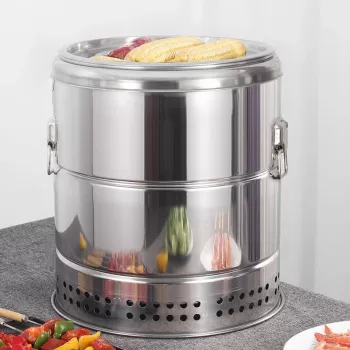
If charcoal flavor is non-negotiable but you want a cleaner, calmer grilling experience for patios and entertaining, the Luxury Smokeless Charcoal Grill is designed to help reduce visible smoke by improving combustion and airflow. It’s a strong fit for quick weeknight cooks and compact outdoor spaces where smoke control and steady heat matter.
Yes—some charcoal grills are engineered to reduce visible smoke by improving airflow and combustion efficiency. They can greatly cut startup smoke and smoldering, but they are not truly smoke-free and must still be used outdoors.
It’s designed to make charcoal-style cooking more comfortable and controllable: less irritating smoke around guests, faster cleaner preheats, fewer flare-ups from smoldering grease, and a more consistent heat profile for searing and finishing.









Leave a comment