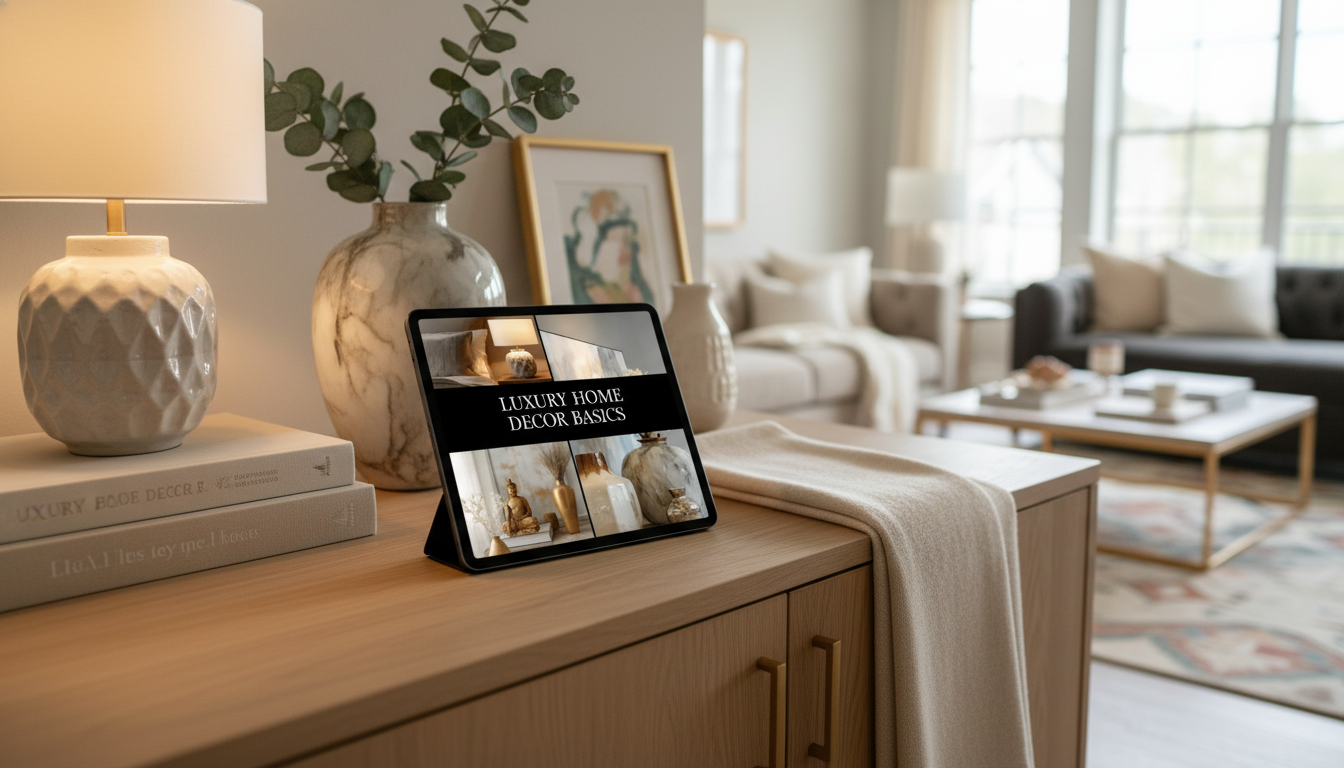
A luxurious home doesn’t rely on constant trends—it’s built on proportion, restraint, and materials that age beautifully. The goal is less “more stuff” and more “better decisions”: a cohesive palette, furniture that fits the room, lighting that flatters everything it touches, and accessories that feel collected rather than scattered. Modern AI tools can speed up the trial-and-error phase, but the most elevated spaces still come from real measurements, tactile materials, and a clear point of view. For more guidance, see [PDF] 2024-25 Bulletin: Undergraduate Catalog.
Luxury is often a series of quiet cues that add up—especially when a room doesn’t feel overworked. For further reading, see [PDF] Interiors – USModernist.
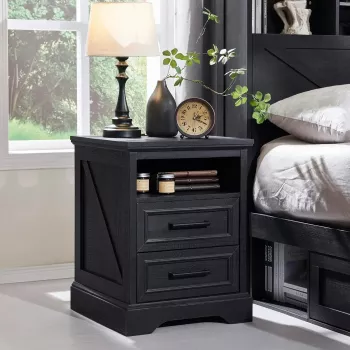
One practical way to create that “hero moment” is with a strong, well-made anchor piece. A clean-lined casegood like the Modern Solid Wood 6-Drawer Dresser with Gallery-Top can ground a bedroom or even serve as storage in a wide hallway where you want a tailored, substantial look.
Timeless color isn’t about playing it safe—it’s about controlling undertones and saturation so the room stays flattering in changing daylight and different bulbs. Start by matching your palette to fixed elements you can’t easily swap (flooring, stone, large cabinetry), then build a three-layer plan: base neutral, mid-tone, and a restrained accent.
For a deeper dive on undertones and why “white” is rarely just white, Benjamin Moore’s overview is a helpful reference: Understanding Undertones.
| Palette | Base | Mid-tone | Accent | Best for |
|---|---|---|---|---|
| Warm Quiet Luxury | Creamy white | Camel / warm oak | Aged brass + deep olive | Living rooms, bedrooms |
| Modern Classic | Soft white | Charcoal / espresso | Blackened metal + ivory | Dining rooms, offices |
| Coastal Refined | Sand | Weathered wood | Navy + natural linen | Open-plan spaces |
| Soft Minimal | Cool white | Greige | Stone + brushed nickel | Small apartments, kitchens |
| Heritage Rich | Bone | Walnut | Burgundy + antique gold | Libraries, formal seating |
High-end rooms feel “right” first, beautiful second. That “rightness” comes from circulation space, balanced heights, and pieces that earn their footprint.
For dining spaces, comfort and proportion matter as much as style—especially if the room does double duty for work and entertaining. A coordinated set like the Modern Dining Chairs Set of 6 helps a dining area look intentional, and it simplifies finish decisions so the room doesn’t drift into “collected by accident.”
For technical guidance on illuminance recommendations and lighting design principles, the IES Lighting Handbook is a respected industry reference. For broader color and light standards, the Commission Internationale de l’Éclairage (CIE) is another authoritative source.
If you want a structured reference you can reuse room after room, the Luxury Home Decor Basics digital eBook guide gathers the same fundamentals—palette building, proportion tips, lighting layers, and AI-aided workflows—into an easy, repeatable system.
In kitchens, a flexible storage piece can add both function and a furniture-like finish. The 47″ Kitchen Island Cart with Storage, 2 Drawers & Rolling Buffet Sideboard Cabinet works as a practical “casegood” for utility zones—helpful when you want the space to feel styled, not cluttered.
Focus on one high-impact upgrade at a time: layered lighting with dimmers, upgraded textiles (fuller curtains, a larger rug, better bedding), and consistent finishes. Keep surfaces edited and choose fewer, slightly larger accessories for a more substantial look.
Match undertones to fixed elements first, then use a three-layer palette: a neutral base, a mid-tone for major furniture, and one restrained accent repeated across the room. Muted, complex colors tend to feel more enduring than bright tones.
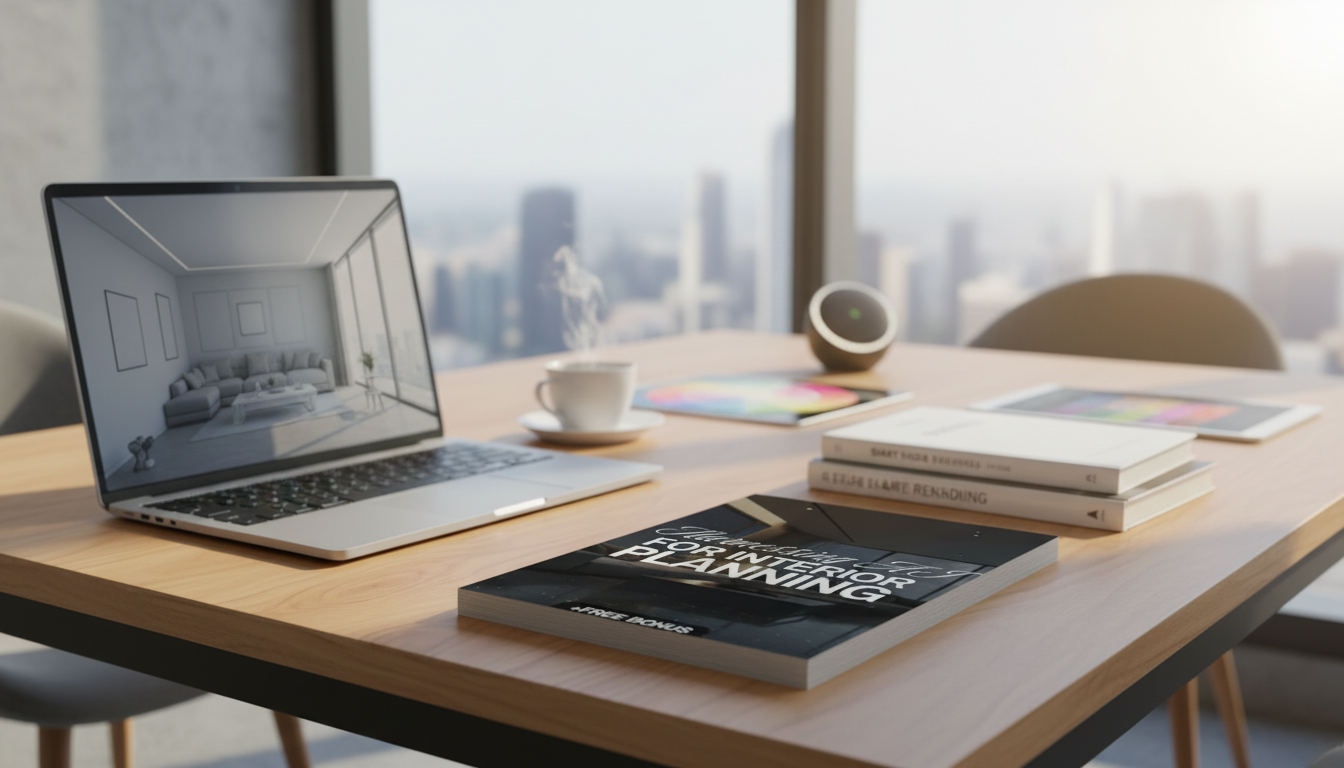
AI can quickly generate layout and styling variations, test palette directions, and help translate inspiration into a coherent concept. Final decisions should still be confirmed with measurements, lighting needs, and real material samples.









Leave a comment